Tracing Flower: A Delightful Font for Creative Projects
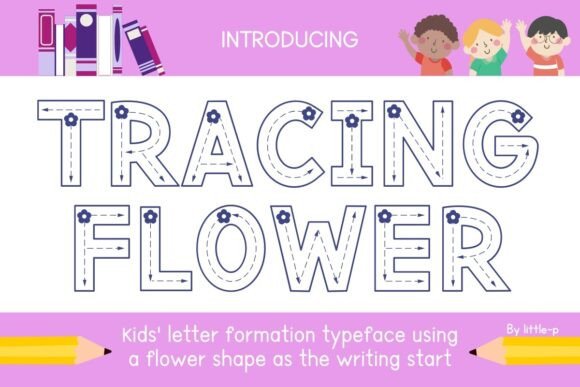
As I sat down to redesign the header for my lifestyle blog, I found myself drawn to the idea of a font that felt both playful and professional. That’s when I discovered Tracing Flower, a charming alphabet tracing font that adds a touch of whimsy to any editorial design. Its unique flower-shaped letters make it stand out while maintaining a sense of elegance that works well across various formats.
What immediately caught my eye was the font’s visual character. Each letter is crafted with soft curves and delicate details, evoking the imagery of blooming flowers. The rhythm of the design feels natural, almost like a gentle breeze moving through a garden. This makes Tracing Flower ideal for projects that aim to create a warm, inviting atmosphere—whether it’s a recipe ebook, a wedding guide, or a printable planner.
The personality of Tracing Flower is subtle yet distinct. It doesn’t shout for attention but instead whispers its presence, making it perfect for headings, titles, and decorative accents. Its mood is calming, which aligns well with content focused on mindfulness, self-care, or creative expression. In an editorial layout, this font can help establish a consistent tone that resonates with readers.
One of the first places I used Tracing Flower was on the cover of a new recipe ebook. The font added a fresh, approachable feel that complemented the vibrant images and easy-to-follow instructions. It worked especially well for the title, where its flowing lines created a visual balance with the more structured body text. The result was a design that felt cohesive and visually appealing without overwhelming the reader.
In a digital magazine layout, Tracing Flower proved effective as a heading font. Its soft, rounded edges made it easy on the eyes, even when used in larger sizes. For section headings and pull quotes, it provided a nice contrast to the more neutral sans serif fonts typically used for body copy. This helped guide the reader’s attention without disrupting the flow of the content.
When working on a coaching workbook, I found that Tracing Flower was most impactful as a decorative element rather than a primary text font. It worked beautifully for chapter openers and motivational quotes, adding a personal touch that felt authentic. However, I noticed that its intricate details could become less readable in smaller sizes, so I opted for a simpler sans serif font for longer passages.
For a printable planner, Tracing Flower added a sense of charm to the headers and labels. It gave the pages a handmade quality that made the planner feel more engaging. Still, I paired it with a clean, modern sans serif for the task lists and notes, ensuring that the overall design remained legible and functional.
Readability is an important consideration when using Tracing Flower. While it excels in short, stylized text, it may not be the best choice for long-form content. On screens, especially on mobile devices, the font’s fine details can blur slightly, making it harder to read at smaller sizes. For print materials, however, it shines—its soft lines and organic shapes look stunning in brochures, invitations, and packaging designs.
When pairing Tracing Flower with other fonts, I found that it works best alongside a sturdy serif or sans serif font. For example, using it as a display font with a classic serif like Georgia or a modern sans serif like Open Sans creates a balanced look that’s both elegant and easy to read. This combination is ideal for newsletters, course PDFs, and editorial features where clarity and style are equally important.
Before incorporating Tracing Flower into any project, it’s worth checking the font’s available styles, alternates, and ligatures. These features can add versatility and allow for more creative expression. Additionally, considering multilingual support and file formats ensures that the font will work seamlessly across different platforms and publications.
Commercial licensing is another key factor to keep in mind. Whether you’re designing a paid newsletter, a downloadable template, or a client project, making sure that Tracing Flower is properly licensed helps avoid any legal issues down the line. This is especially important for independent creators and small businesses looking to maintain professionalism in their work.
Overall, Tracing Flower is a versatile and charming addition to any designer’s toolkit. Its unique aesthetic makes it ideal for projects that require a touch of creativity and warmth. Whether you’re working on a blog header, an ebook cover, or a printable guide, this font offers a refreshing alternative to more traditional typefaces.
As I continue to explore its potential, I’m excited to see how Tracing Flower can enhance the visual storytelling of my content. Its blend of artistry and functionality makes it a valuable asset for anyone looking to elevate their editorial design with a little bit of floral flair.